
Best Hiking Trails in Greater Palm Springs & the Coachella Valley
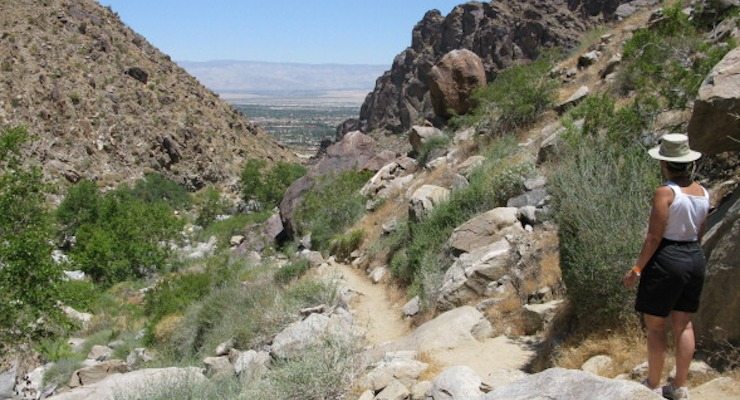
There are two seasons in the Coachella Valley: “great hiking weather” and “absolutely do not hike unless you enjoy medical bills.” When conditions are right, though, the desert delivers some genuinely excellent trails — whether you want views, a workout, a waterfall, or just an excuse to say you “got outside” before brunch.
So instead of pretending there’s one single “best” hike for everyone (there isn’t), here are some of the best hiking trails in and around Greater Palm Springs — broken out by what you’re actually looking for.
Best Overall: Palm Canyon Trail (Palm Springs)
If someone asks for one hike that checks the most boxes, this is usually it.
Palm Canyon Trail runs through the Indian Canyons and gives you palms, shade, water features (seasonal), canyon walls, and a surprisingly immersive desert experience without leaving town. You can go short or long, easy or moderately challenging, which is why locals keep coming back.
Why it stands out: Accessible, scenic, flexible distance, and a solid introduction to desert hiking.
Indian Canyons, Palm Springs
Best Workout: Bump and Grind Trail (Palm Desert)
No mystery here. This trail is popular because it hurts in a productive way.
The Bump and Grind is short, steep, and relentless. You’re rewarded with wide valley views at the top and the satisfaction of knowing you earned your breakfast. It’s busy for a reason.
Why it stands out: Efficient cardio, great views, and no wasted time.
Shadow Hills area, Palm Desert
Best Views: Skyline Trail (Palm Springs)
This one is not for casual hikers, tourists in sandals, or people who think “we’ll just turn around if it gets hard.”
Skyline is a serious climb that gains thousands of feet in elevation and eventually connects toward Mt. San Jacinto. The payoff is dramatic views and bragging rights, but preparation is not optional.
Why it stands out: One of the most intense and iconic hikes in Southern California.
Good to know: This is an advanced hike. Research it. Respect it.
Palm Springs
Best Water Feature: Tahquitz Canyon (Palm Springs)
If you like your hikes with a clear destination, Tahquitz Canyon delivers.
The trail leads to a seasonal waterfall and rock pool, and while it’s shorter than many others, it’s well maintained and visually rewarding — especially after rain.
Why it stands out: Waterfall payoff without a full-day commitment.
Tahquitz Canyon Way, Palm Springs
Best Easy Hike: Whitewater Preserve (Near Cabazon)
This is the one to recommend when someone says, “I want to hike, but not suffer.”
Whitewater Preserve offers wide, mostly flat trails with river access, wildlife sightings, and cooler temps than the valley floor. It’s ideal for families, casual walkers, or recovery days.
Why it stands out: Scenic, approachable, and surprisingly peaceful.
Whitewater Canyon Road, near Cabazon
Best Joshua Tree–Adjacent Option: Hidden Valley Trail
Yes, it’s busy. Yes, it’s worth it.
Hidden Valley Trail is a short loop inside Joshua Tree National Park that packs in massive rock formations, wide-open desert views, and an otherworldly feel without requiring a long hike.
Why it stands out: High reward for low effort.
Joshua Tree National Park (about 30 miles from Palm Springs)
Final Notes Before You Go
- Check the weather. Desert conditions change fast.
- Bring more water than you think you need.
- Start early. Parking and temperatures both get worse as the day goes on.
- Know your limits. Not every trail is a casual stroll.
The best hiking trail in the Coachella Valley depends on what kind of experience you’re after — but these are the ones locals actually hike, talk about, and return to.
Related:




Written by : Casey Dolan
Casey is the founder of Cactus Hugs and also works with local businesses on their websites and digital marketing. Learn more (and hire!) him here. Please, send him your news tips and your whiskey!