
Slab City: What It Is, Why It Exists, and What Visitors Should Know
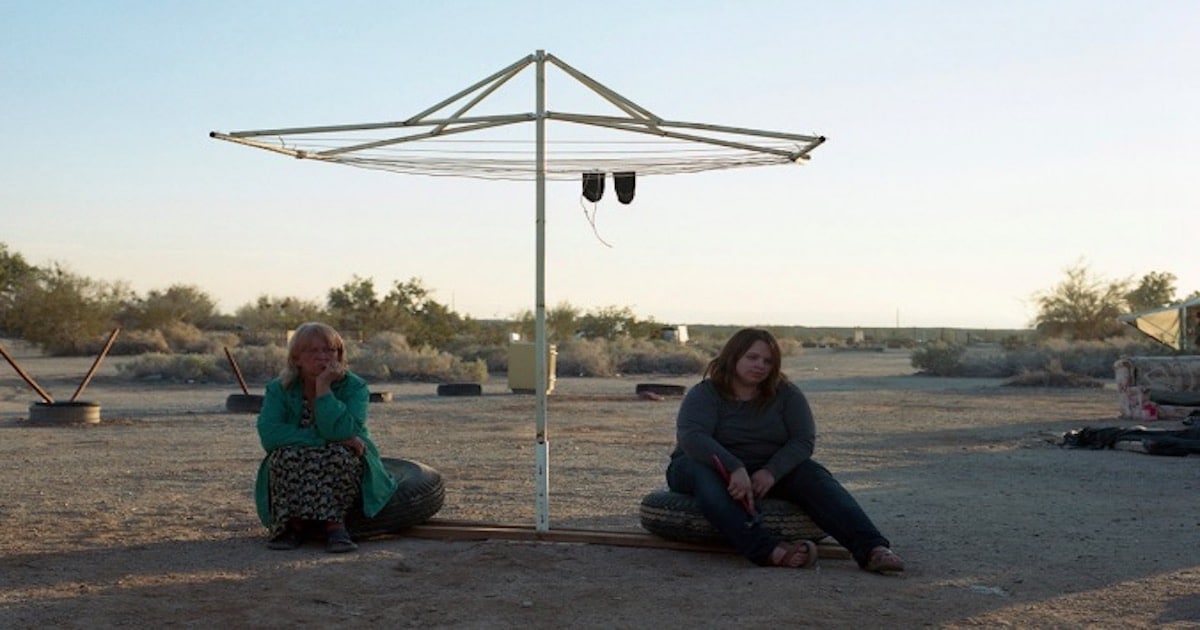
Slab City is one of those places people hear about, immediately Google, and then realize they have no idea what they’re looking at.
It’s been called an off-grid community, an art colony, a squatter settlement, a social experiment, and a warning sign. All of those labels are partially correct. It’s also one of the most unusual places you can visit in Southern California — provided you understand what it is before you go.
This is not a tourist attraction. There is no entrance gate, no visitor center, and no safety net. Slab City exists outside the systems most people rely on, and that’s exactly the point.
What Is Slab City?
Slab City is an informal, off-grid community located in the Sonoran Desert near Niland, California, just east of the Salton Sea.
The name comes from the concrete slabs that remain from Camp Dunlap, a former U.S. Marine Corps training base used during World War II. When the base was decommissioned, the buildings were removed, but the slabs were left behind. Over time, people moved in and built makeshift homes, camps, and structures directly on top of them.
There is no electricity grid, no running water, no trash service, and no formal governance. People who live here generate their own power, haul their own water, and deal with their own problems.
Why Does Slab City Exist?
Slab City exists because it has been largely left alone.
The land is owned by the state of California and has never been developed. For decades, authorities have tolerated the presence of residents, resulting in a place that functions somewhere between permanent settlement and tolerated encampment.
People end up here for many reasons. Some are artists. Some are retirees living on limited income. Some are nomads, veterans, or people who simply do not want to live within traditional housing systems.
It’s not a utopia, and it’s not pure chaos either. It’s messy, creative, uncomfortable, and very human.
Is Slab City Legal?
Short answer: it’s complicated.
Residents do not own the land. Technically, many are squatting. In practice, enforcement has been minimal for years. That tolerance could change at any time, which is why Slab City remains fragile and informal.
Visitors should understand that they are entering a place that exists largely by unspoken agreement.
What Is There to See?
East Jesus
East Jesus is an outdoor art installation made entirely from salvaged and discarded materials. It’s open to the public, free to enter, and supported by donations.
The art ranges from impressive to unsettling to outright strange. Sculptures, painted structures, found objects, and political commentary are scattered throughout the site. There is no official layout and no attempt to sanitize the experience.
The Range
The Range is an open-air performance space built from reclaimed materials. During the cooler months, it hosts music, poetry, and community events. It’s informal, donation-based, and entirely run by residents.
Nearby: Salvation Mountain
While technically separate from Slab City, Salvation Mountain sits right at its edge and is often visited on the same trip. The two places could not feel more different, despite their proximity.
Visiting Slab City: What You Should Know
This Is Not a Theme Park
People live here. Do not wander into camps, take photos of people without permission, or treat the place like a spectacle.
Do Not Visit in Summer
Summer temperatures regularly exceed 110°F. There is no shade infrastructure, no water access, and no emergency services nearby. Visit between October and April.
Bring Everything You Need
There are no stores, bathrooms, or trash cans. Bring water, sunscreen, and pack out everything you bring in.
Stick to Public Areas
East Jesus is generally considered appropriate for visitors. Do not explore private camps unless explicitly invited.
Photography Requires Judgment
Public art is generally fine. People and their homes are not. Ask first.
Is Slab City Safe?
Many people visit without incident. Others do not.
Visit during daylight hours, go with others, trust your instincts, and leave if something feels off. This is not a place for nighttime exploration.
How to Get There
Slab City is accessed via Beal Road near Niland, California.
Cell service is unreliable. Download maps ahead of time. Roads are rough but generally passable in dry conditions.
Is Slab City Worth Visiting?
If you’re curious about outsider art, alternative living, or places that exist far outside the norm, yes.
If you’re looking for comfort, amenities, or clear rules, no.
Final Thoughts
Slab City isn’t something to consume. It’s something to briefly experience, respect, and leave without trying to explain away.
Go prepared. Go respectfully. And remember that not everything strange exists for your entertainment.
Related:





Written by : Casey Dolan
Casey is the founder of Cactus Hugs and also works with local businesses on their websites and digital marketing. Learn more (and hire!) him here. Please, send him your news tips and your whiskey!