
Sonny Bono Salton Sea National Wildlife Refuge: What to Know
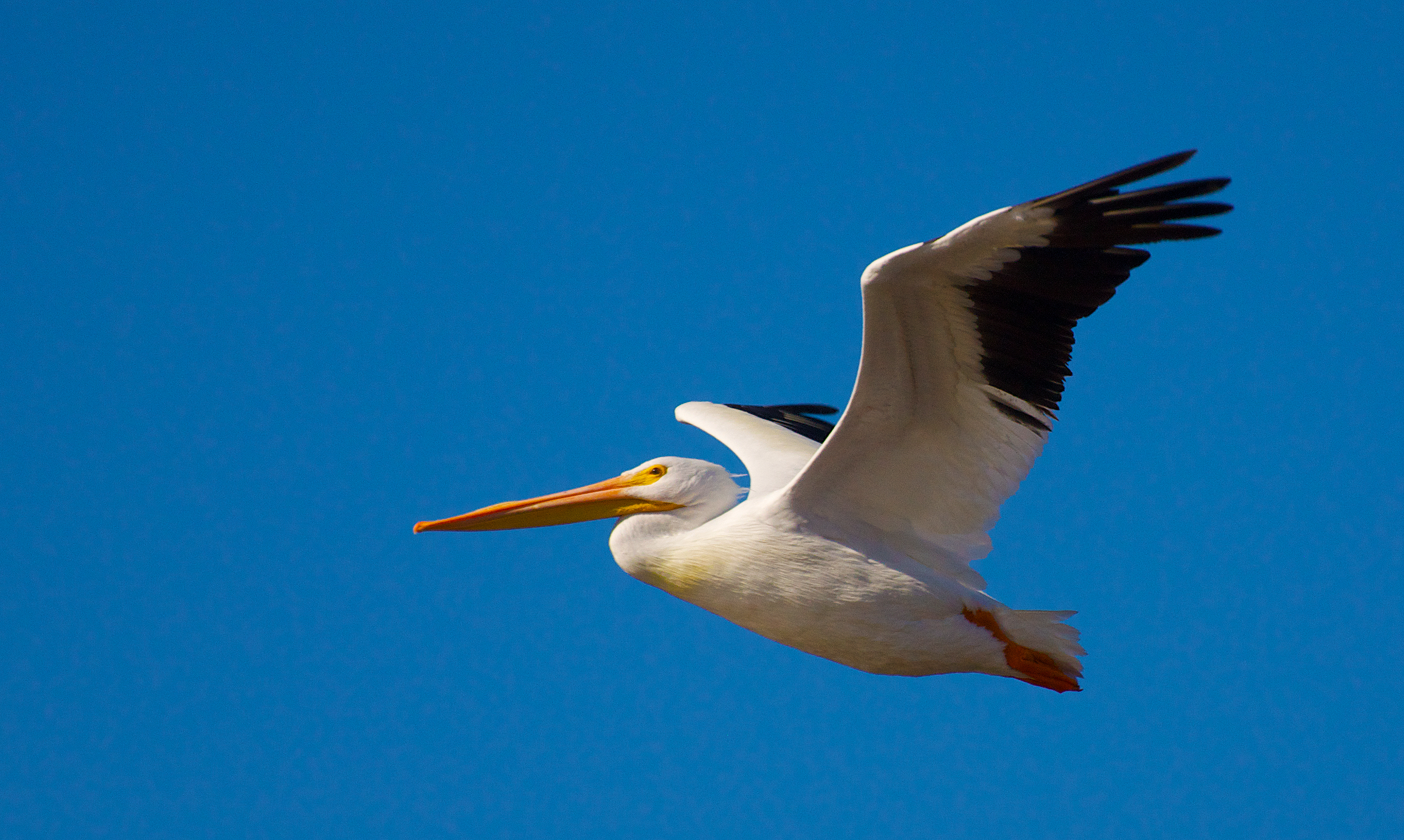
Most people who drive to the Salton Sea go for the weird — the ruins, the art, the general end-of-the-world atmosphere. The refuge at the south end is the opposite of that. It is the one place down there that is actively, obviously alive, and for about four months a year it is one of the best bird-watching spots in the country.
It is also free, open every day of the year, and almost nobody is there.
Quick Links
- The basics
- When to go (this matters more than anything else)
- The trails
- What you will actually see
- Practical stuff
The Basics
Sonny Bono Salton Sea National Wildlife Refuge
A 37,900-acre federal refuge at the south end of the sea, split into two units about 18 miles apart. Headquarters and the main trail are at Unit 2.
906 West Sinclair Road, Calipatria, CA 92233 · (760) 348-5278
Cost: Nothing. Fish and Wildlife states plainly that there are no fees to visit, and refuge staff do not sell federal lands passes.
Hours: This is the part worth reading twice, because the trails and the visitor center run on different clocks.
- Trails, observation platforms and bathrooms: sunrise to sunset, every day, all year. Including August.
- Visitor center: closed for the summer, roughly May or June through October. Open November through April, Tuesday to Sunday, 8 a.m. to 3:30 p.m. — and the refuge itself notes those hours are “variable upon Volunteer availability.” Closed on national holidays.
Time needed: Two hours gets you the main trail and the observation decks. Half a day if you are actually birding.
Getting there: Highway 111 south past Niland, then about four miles to Sinclair Road and right (west). It is roughly 90 minutes from Palm Springs, which is further than people expect — this is the far south end of the sea, not the end you can see from Mecca.
Pro tip: Call before you drive down in winter if seeing inside the visitor center matters to you. The refuge tells you itself that the hours depend on whether a volunteer showed up.
When to Go
Everything about this place is seasonal, and the gap between the good months and the bad months is enormous.
November through February is the season. Mild weather, full ponds, and the winter migration — the refuge says more than 200 species are on site in winter. This is when the snow geese and sandhill cranes are here.
Fall works. Migration starts as early as July and peaks in November. The ponds get flooded in August and stay wet into March.
Spring is thinning out. Most of the winter birds have gone. Still pleasant, just quieter.
Summer is a different question. The trails are open and the bathrooms work, but this is the Imperial Valley in July. The Department of Fish and Wildlife, describing the wildlife area next door, puts it about as plainly as a state agency can: “Summer days can reach temperatures to 120 degrees. Knowledge of desert survival recommended.” That is a different agency and a different piece of land, but it is the same air.
If you go between June and September, go at first light, bring more water than you think is reasonable, and be done before ten.
The Trails
Rock Hill Trail
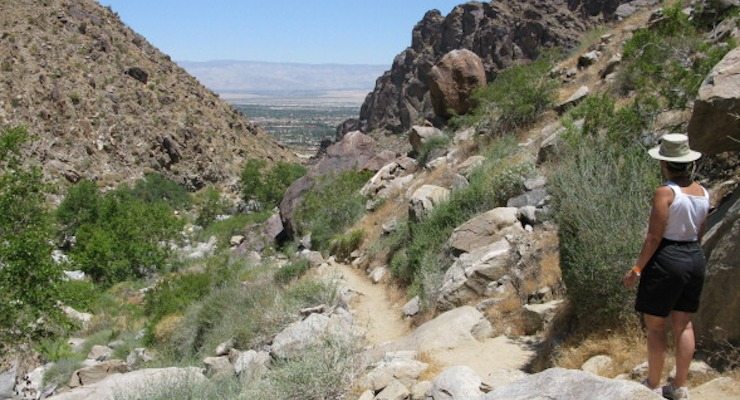
The main one. Starts beside the picnic area at the visitor center and climbs Rock Hill, which sits right at the edge of the sea.
Trailhead: at refuge headquarters, 906 West Sinclair Road
Distance: About two miles round trip. Fish and Wildlife’s own pages give both 0.93 miles and “a 2-mile loop,” which is almost certainly one-way versus round trip. Budget the two miles.
Difficulty: Rated moderate. The refuge estimates 90 minutes.
Why bother: It is the only real elevation for miles, and the view from the top is the whole south end of the sea at once — ponds, playa, geothermal plants, mountains.
The practical note: There is no shade on it. None.
Michael Hardenberger Trail
An easy loop around a freshwater duck pond at Unit 1, with a photo blind, an observation deck and an observation tower. Kid-friendly.
Trailhead: Unit 1, at Bannister Road and Vendel Road — about 18 miles from headquarters, so treat it as a separate stop, not a detour.
Distance: Under a mile. The refuge gives 0.77 miles, 0.9 miles and 0.7 miles across three of its own documents.
Difficulty: Easy.
The practical note: Fish and Wildlife says it is “best used during the winter months when the ponds are filled.” In summer you are walking a loop around a dry basin.
What You Will Actually See
The numbers here are genuinely unusual. The refuge has documented 433 bird species — 519 wildlife species in total since it was established in 1930. Until 2021 it held the title for the most diverse bird life of any national wildlife refuge in the West.
The winter headliners:
- Snow geese and Ross’s geese in large overwintering flocks. This is the spectacle people drive down for.
- Sandhill cranes.
- Burrowing owls. More than 70% of California’s population is in the Imperial Valley, and they are easy to spot along the canal banks and field edges on the drive in.
- American white pelicans. Over 90% of the western population winters on the sea.
- Eared grebes in the millions during southward migration.
For people who keep lists: this is the only reliable place in the United States to see a yellow-footed gull. The refuge also supports the greatest number of western snowy plovers anywhere in the interior of California, and the endangered Yuma Ridgway’s rail nests here.
Summer is nesting season rather than migration — quails, rails, gull-billed terns, black skimmers.
Practical Stuff
- Bathrooms: Flush toilets and a water fountain, recently renovated, open sunrise to sunset year round. On a Salton Sea day trip this is the most reliable restroom at the south end of the sea, and it is worth knowing about even if you skip the trails.
- Pets: Allowed, on a leash at all times.
- Camping: Not allowed anywhere on the refuge.
- Rattlesnakes: Western diamondbacks are on the refuge. Watch where you put your feet, particularly on Rock Hill.
- Hunting: Waterfowl hunting is allowed on about 1,000 acres in the fall and winter. Most of the refuge is closed sanctuary. Marked areas are closed to the public — respect the signs, they exist to keep birds on the water.
- Fuel: Last dependable gas on the way down is the station in Niland, open 5 a.m. to 9 p.m. Fill up in Indio or Coachella if you would rather not rely on one small-town pump.
Bottom line: If you are doing the Salton Sea in winter and you only have time for one stop that is not a ruin, make it this one. It is free, it is open, and between November and February there is more happening here than anywhere else on the water. Pair it with Slab City and Salvation Mountain, which are about half an hour back north, and you have a full day.
Related:


Written by : Casey Dolan
Casey is the founder of Cactus Hugs and also works with local businesses on their websites and digital marketing. Learn more (and hire!) him here. Please, send him your news tips and your whiskey!